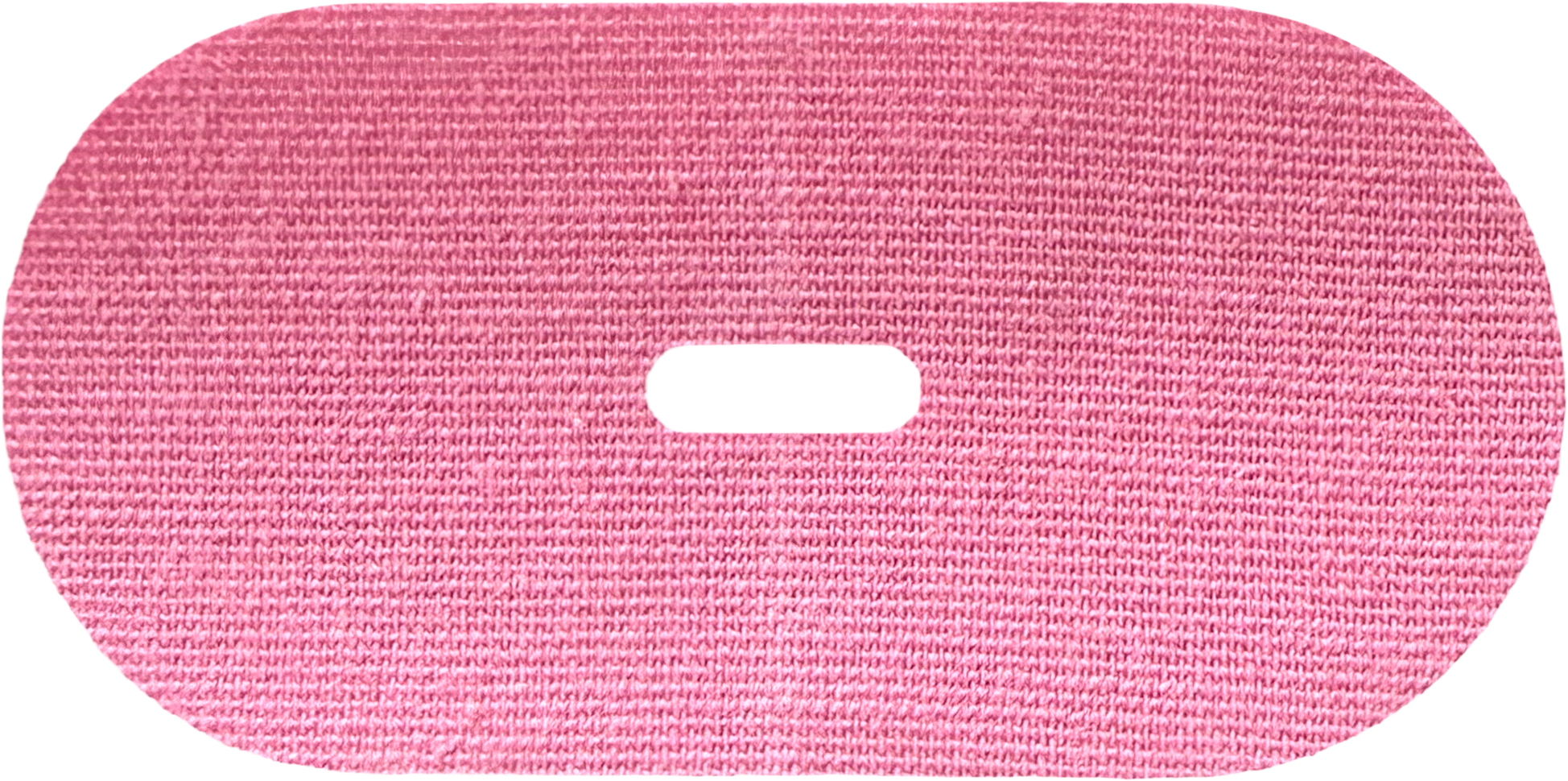


![SchleepTape™ Mouth Tape [MIXED COLOURS BUNDLE] - Schleepi](http://schleepi.com/cdn/shop/files/01C2163A-C9E1-41CD-8852-7C8B6E4F12B3_1.jpg?v=1774499353&width=1500)
Anti Snore Strips For Allergy Season: Better Breathing Even When Your Nose Feels Blocked
Allergy season turns bedtime into a battle with congestion, mouth breathing and restless sleep. Right here in Australia, Schleepi designs gentle anti-snore strips that support airflow when pollen and dust leave your nose feeling tight and swollen. If you have wondered, “Can anti snore strips open my nasal passages when my nose feels blocked?”, the answer lies in how airflow mechanics work.
When pollen counts rise, nasal passages often swell. That swelling narrows airflow and forces the body to compensate. Your mouth naturally opens and your poor throat dries out like a raisin. Next - the snoring intensifies. By morning, you feel heavy and foggy instead of refreshed.
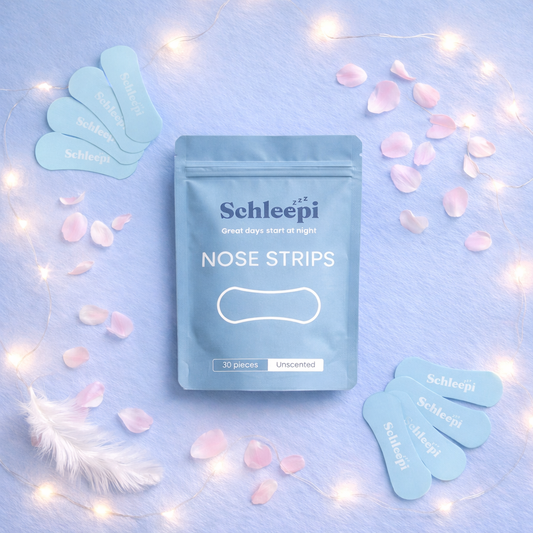
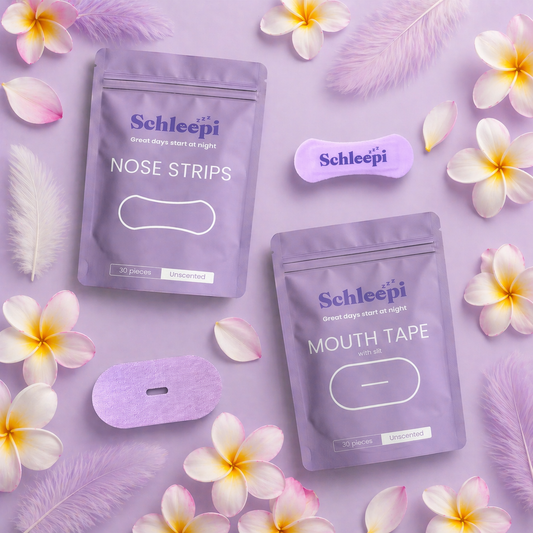
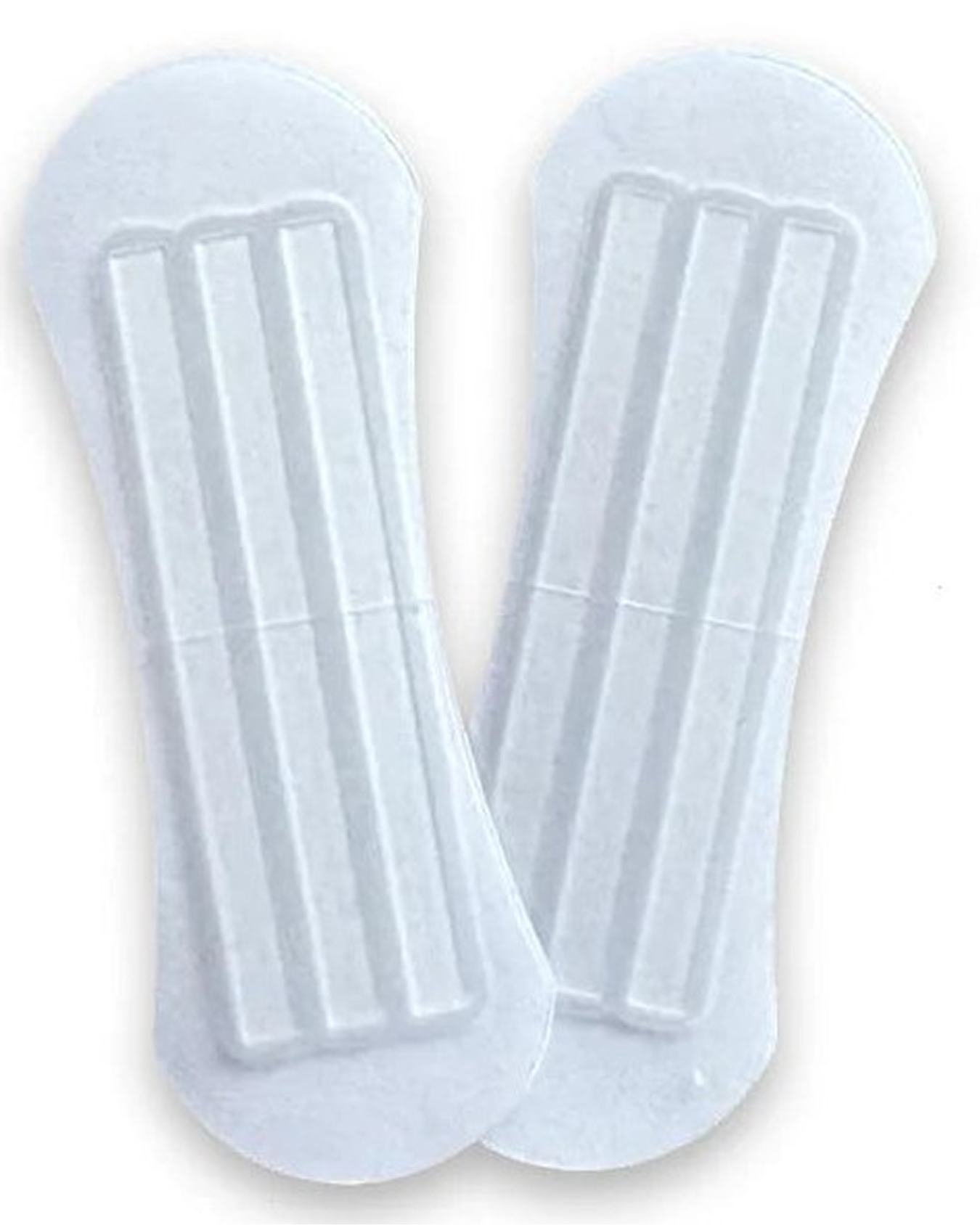
Anti-snore strips function as external airway opening strips that gently lift the nasal walls, increasing the space available for air to pass through. They do not medicate or enter the nose. They work from the outside, providing structural support that reduces resistance inside.
![SchleepStrips™ Nose Strips [MIXED COLOURS BUNDLE] - Schleepi](http://schleepi.com/cdn/shop/files/Rectangle_27.png?v=1776405203&width=1500)


![SchleepStrips™ Nose Strips [MIXED COLOURS BUNDLE] - Schleepi](http://schleepi.com/cdn/shop/files/Rectangle_27.png?v=1776405203&width=1200)


![SchleepStrips™ Nose Strips [MIXED COLOURS BUNDLE] - Schleepi](http://schleepi.com/cdn/shop/files/Rectangle_27.png?v=1776405203&width=200)


![SchleepStrips™ Nose Strips [MIXED COLOURS BUNDLE] - Schleepi](http://schleepi.com/cdn/shop/files/Rectangle_26_2.png?v=1774499106&width=1500)
![SchleepTape™ Mouth Tape with Slit [MIXED COLOURS BUNDLE] - Schleepi](http://schleepi.com/cdn/shop/files/Rectangle_22.png?v=1774499367&width=2000)