Couple Sleeping Poorly before using Breathe Bundle

Sleeping Mouth Tape vs Mouth Breathing: What Science Says About Better Rest

Waking up with a dry mouth, a dull morning headache or a partner complaining about snoring often points to one quiet culprit: mouth breathing during sleep. That’s why at Schleepi, we developed sleeping mouth tape to gently guide airflow back through the nose, where it belongs. If you have been asking, how does sleeping mouth tape help improve sleep quality? - the science behind nasal breathing provides reassuring clarity.

The science

  • Explores why mouth breathing disrupts rest.
  • Breaks down the nasal breathing benefits.
  • Addresses safety and nightly use.
  • Connects better breathing to brighter mornings.

You fall asleep feeling fine, then wake up with a desert in your mouth, a scratchy throat and that heavy, foggy sensation that coffee barely touches. That pattern often points to overnight mouth breathing. 

It feels harmless. It is not.

Sleeping mouth tape works by gently encouraging your lips to remain closed so airflow moves through the nose. When breathing stays nasal, your body filters, warms and humidifies incoming air more effectively. The result feels subtle at first, then surprisingly powerful by morning.

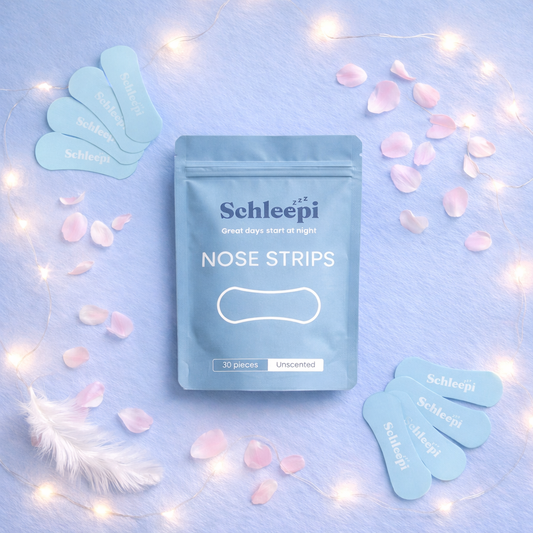
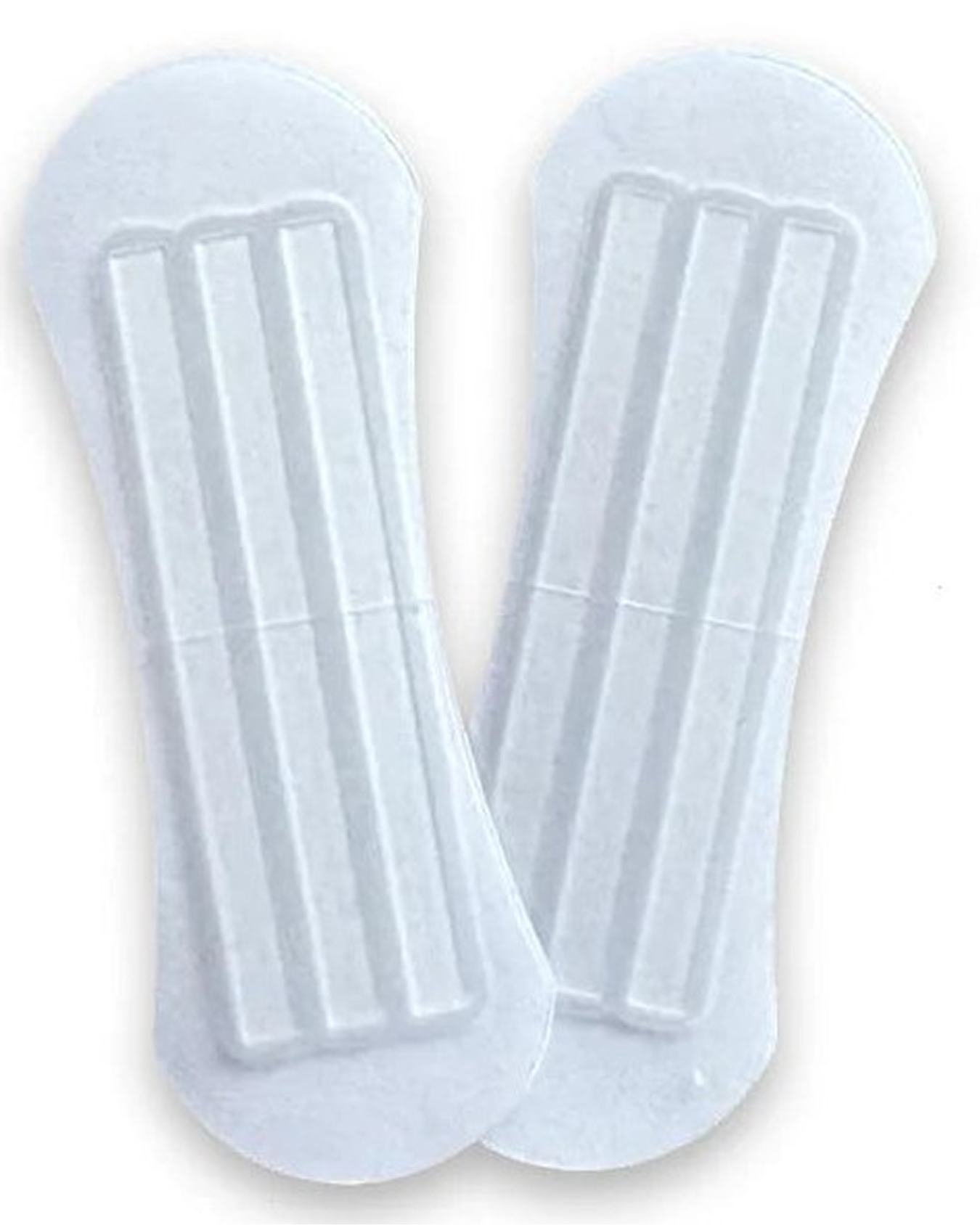
SchleepStrips™ Nose Strips [MIXED COLOURS BUNDLE] - Schleepi

Why Mouth Breathing Disrupts Rest

During sleep, muscle tone naturally relaxes. If the mouth falls open, airflow bypasses the nasal passages and travels directly into the throat. That shift can increase dryness, amplify snoring vibrations and fragment sleep cycles.

Research from the Sleep Health Foundation in Australia highlights that nasal breathing supports airway stability and may reduce snoring linked to mouth breathing patterns. Nasal airflow also improves humidification, which reduces dry mouth irritation at night.

People searching for dry mouth relief at night often overlook breathing patterns as a root cause. Hydration helps, yet airflow direction matters more.

Couple Sleeping Poorly before using Breathe Bundle

The Science Behind Nasal Breathing Benefits

The nose performs essential functions beyond simple airflow. It filters particles, supports nitric oxide production, and regulates pressure within the airway. These nasal breathing benefits influence oxygen efficiency and sleep stability.

When you explore mouth taping for sleep, you are essentially training the body to default to nasal breathing during rest. For mild to severe mouth breathing habits, that gentle cue can reduce throat dryness,  decrease the intensity of snoring and have you sleeping deeper almost instantly.

It also supports calmer sleep architecture. Better airflow often means fewer micro-arousals, which translates into more consistent restorative cycles. That is one of the most overlooked sleep quality improvement techniques available without bulky equipment.

Woman Using Breathe Bundle & Taking Mirror Selfie

Can Sleeping Mouth Tape Reduce Snoring and Dry Mouth?

Many people ask, can sleeping mouth tape reduce snoring and dry mouth? If snoring originates from open-mouth breathing rather than structural airway collapse, guiding the lips closed can reduce the vibration that creates noise.

Dry mouth improves because airflow passes through the nasal passages instead of evaporating moisture from the tongue and throat. Partners often notice the difference first. Quieter. Softer. More peaceful.

SchleepStrips™ Nose Strips [MIXED COLOURS BUNDLE] - Schleepi

Safety and Nightly Use

Another common concern we hear - “is mouth tape safe to use every night for sleep breathing?”. For healthy adults without nasal obstruction or diagnosed sleep apnoea, gentle external mouth tape like ours is totally appropriate. Anyone with breathing disorders should consult a healthcare professional before use.

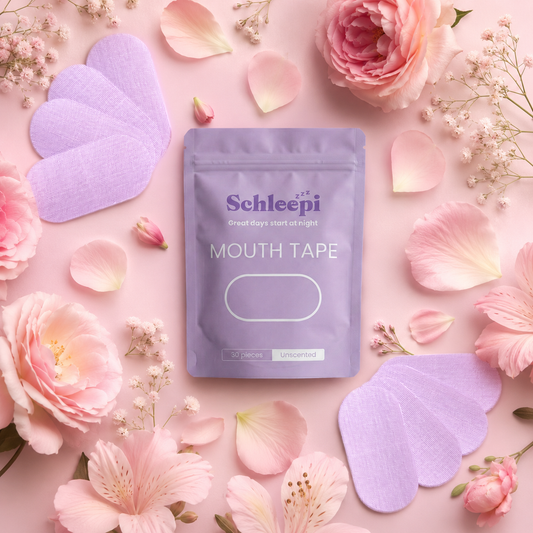
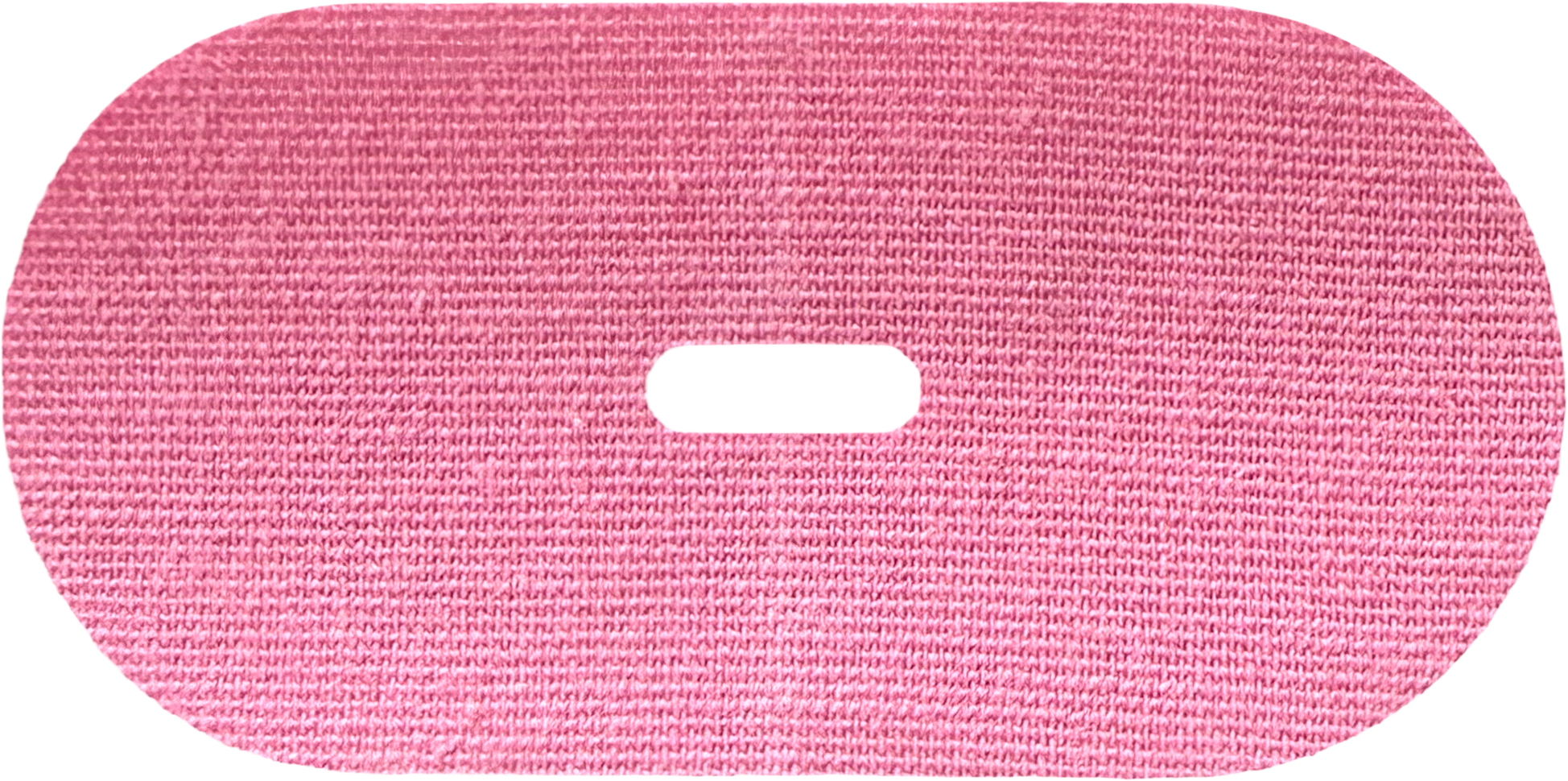
We designed SchleepTape™ Mouth Tape with skin-sensitive adhesive that holds overnight yet removes cleanly in the morning. The lightweight design reduces that “something on my face” sensation that makes people abandon other tapes.

SchleepTape™ Mouth Tape with Slit [MIXED COLOURS BUNDLE] - Schleepi

What to Know Before Trying Sleeping Mouth Tape

If you are exploring what should I know before trying sleeping mouth tape for the first time?, keep it simple:

  1. Ensure your nose is clear before bed.
  2. Apply to clean, dry skin on the lips and around the mouth.
  3. Remove gently in the morning without rushing.

People also ask, “how do you apply sleeping mouth tape correctly before bed?”. The answer remains uncomplicated. Align the strip horizontally across closed lips, press lightly, and allow the adhesive to bond. No complicated routine. No equipment noise. Just a small shift with a noticeable impact.

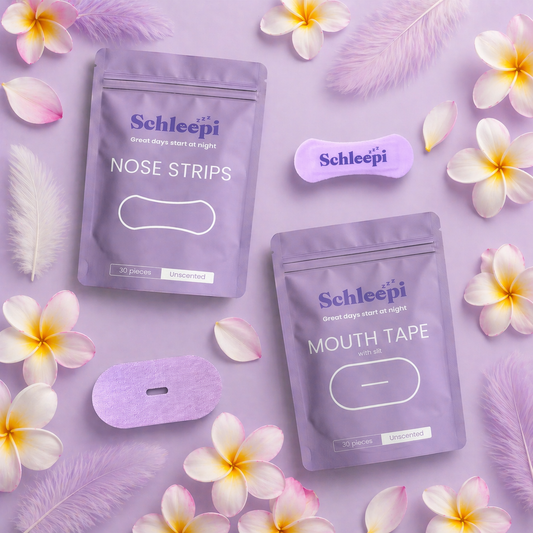
For many in Australia seeking quieter nights and brighter mornings, pairing SchleepTape™ Mouth Tape with SchleepStrips™ Nose Strips creates a balanced airflow routine that keeps the mouth gently closed while supporting open nasal passages, helping sleep feel deeper and more restorative.

FAQs on Sleeping Mouth Tape

How does sleeping mouth tape help improve sleep quality?
Sleeping mouth tape helps improve sleep quality by encouraging nasal breathing, which supports humidified airflow, reduced throat dryness and fewer snoring vibrations during the night.
 Is mouth tape safe to use every night for sleep breathing?
Mouth tape can be safe for nightly use in healthy adults with clear nasal passages. Anyone with diagnosed sleep apnoea or breathing disorders should seek medical advice before use.
Can sleeping mouth tape reduce snoring and dry mouth?
Sleeping mouth tape can reduce snoring and dry mouth when open-mouth breathing drives those symptoms. Guiding airflow through the nose limits moisture loss and vibration.
How do you apply sleeping mouth tape correctly before bed?
To apply sleeping mouth tape correctly before bed, place the strip over closed lips on clean, dry skin and press gently to secure. Ensure nasal passages feel clear before sleeping. Make Schleepi sleeping mouth tape part of your new nightly routine and feel the benefits each and every day!