


How to Use Mouth Tape Correctly for Deeper, Restful Sleep
Getting a restful night’s sleep can feel harder than it should. Many Australians wake up feeling tired, or with a dry mouth - or even complaints about snoring from their partner. One often overlooked reason is how we breathe while sleeping.
When the mouth falls open at night, breathing becomes less efficient and sleep can feel lighter and more disrupted. Encouraging nasal breathing instead helps the body relax into deeper, more restorative rest. Mouth tape is a simple way more and more people support this natural breathing pattern.
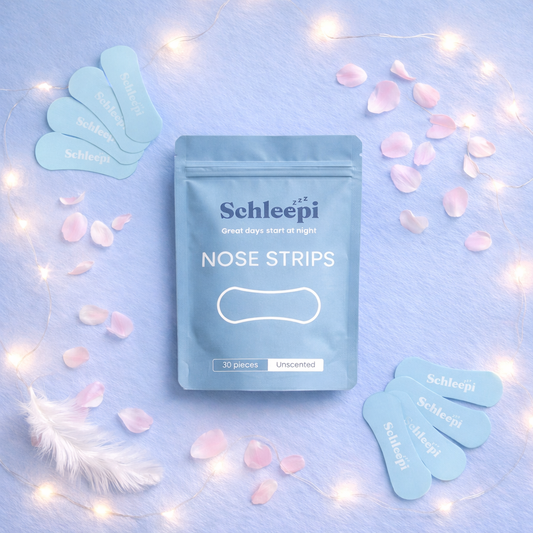
![SchleepStrips™ Nose Strips [MIXED COLOURS BUNDLE] - Schleepi](http://schleepi.com/cdn/shop/files/Rectangle_27.png?v=1776405203&width=1500)


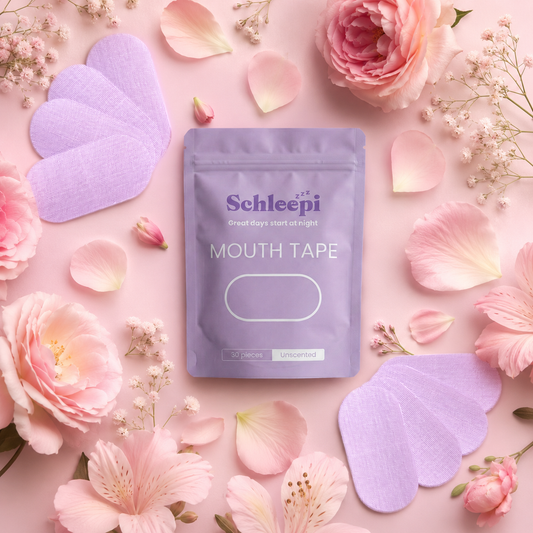
![SchleepStrips™ Nose Strips [MIXED COLOURS BUNDLE] - Schleepi](http://schleepi.com/cdn/shop/files/Rectangle_26_2.png?v=1774499106&width=1500)
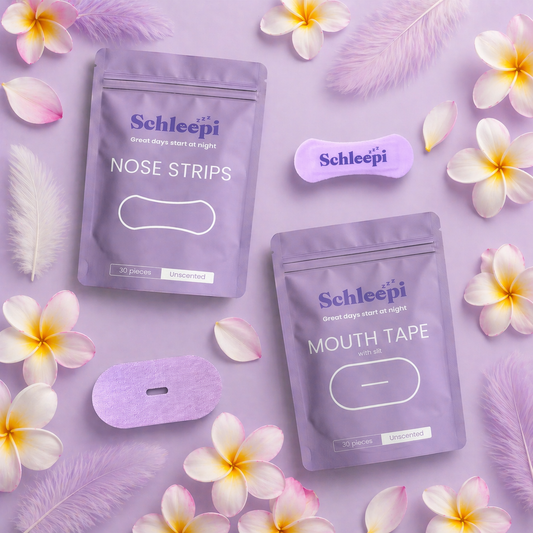
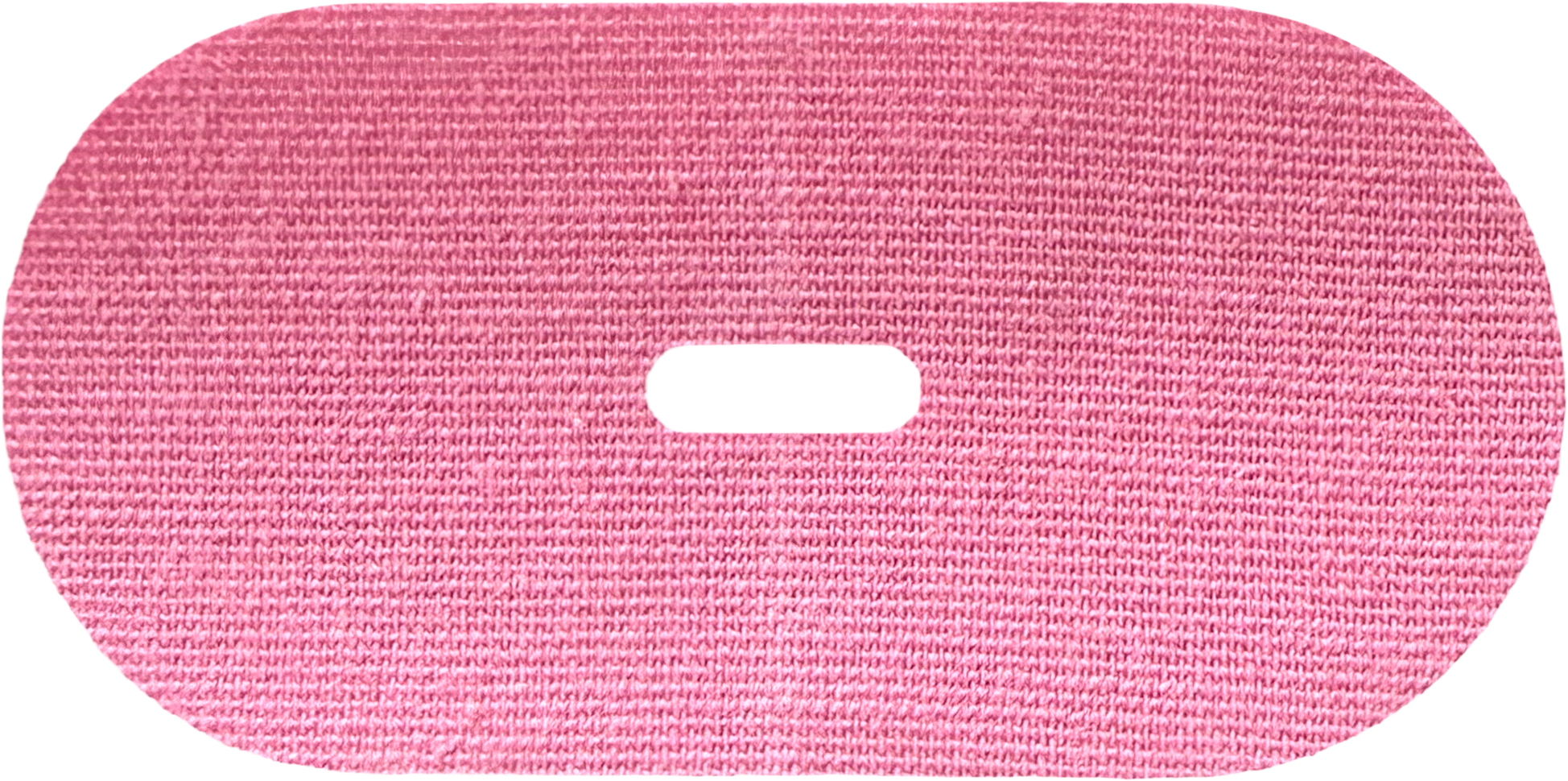
![SchleepTape™ Mouth Tape with Slit [MIXED COLOURS BUNDLE] - Schleepi](http://schleepi.com/cdn/shop/files/Rectangle_22.png?v=1774499367&width=1500)