How a 5-Second Habit Outperforms a 1-Hour Morning Routine
When you breathe through your mouth during sleep, your body stays in a lighter, more interrupted sleep state. Nasal breathing filters the air, humidifies it, and releases nitric oxide, which helps regulate your blood pressure and oxygen delivery. None of that happens through an open mouth.
The result shows up the next morning as a dry throat, a head that won't clear, and an energy level that doesn't match the hours you clocked. People who first try Schleepi's SchleepTape™ regularly report that the difference surfaces the first morning, not after a week of adjustment.
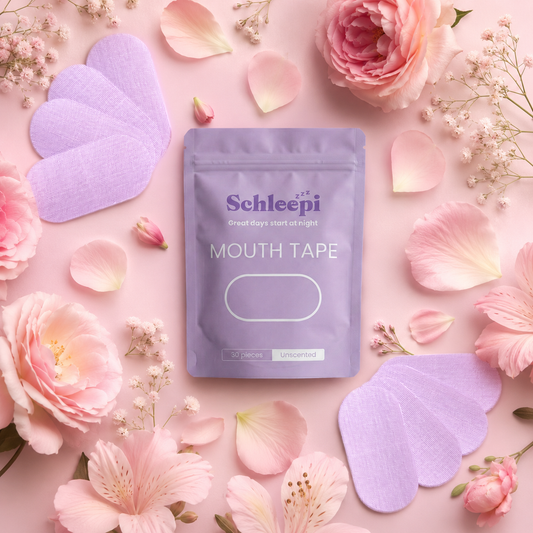
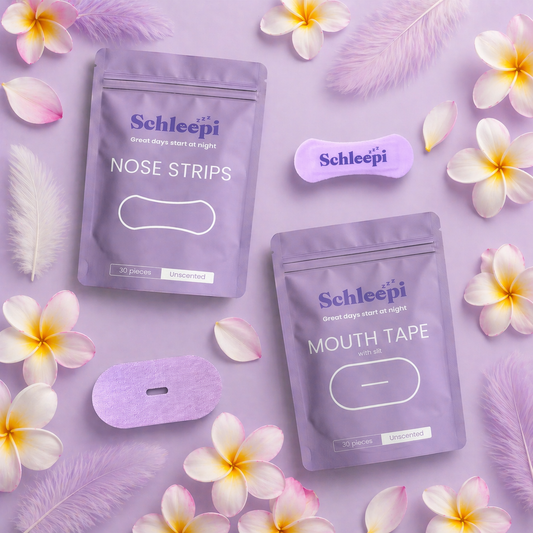
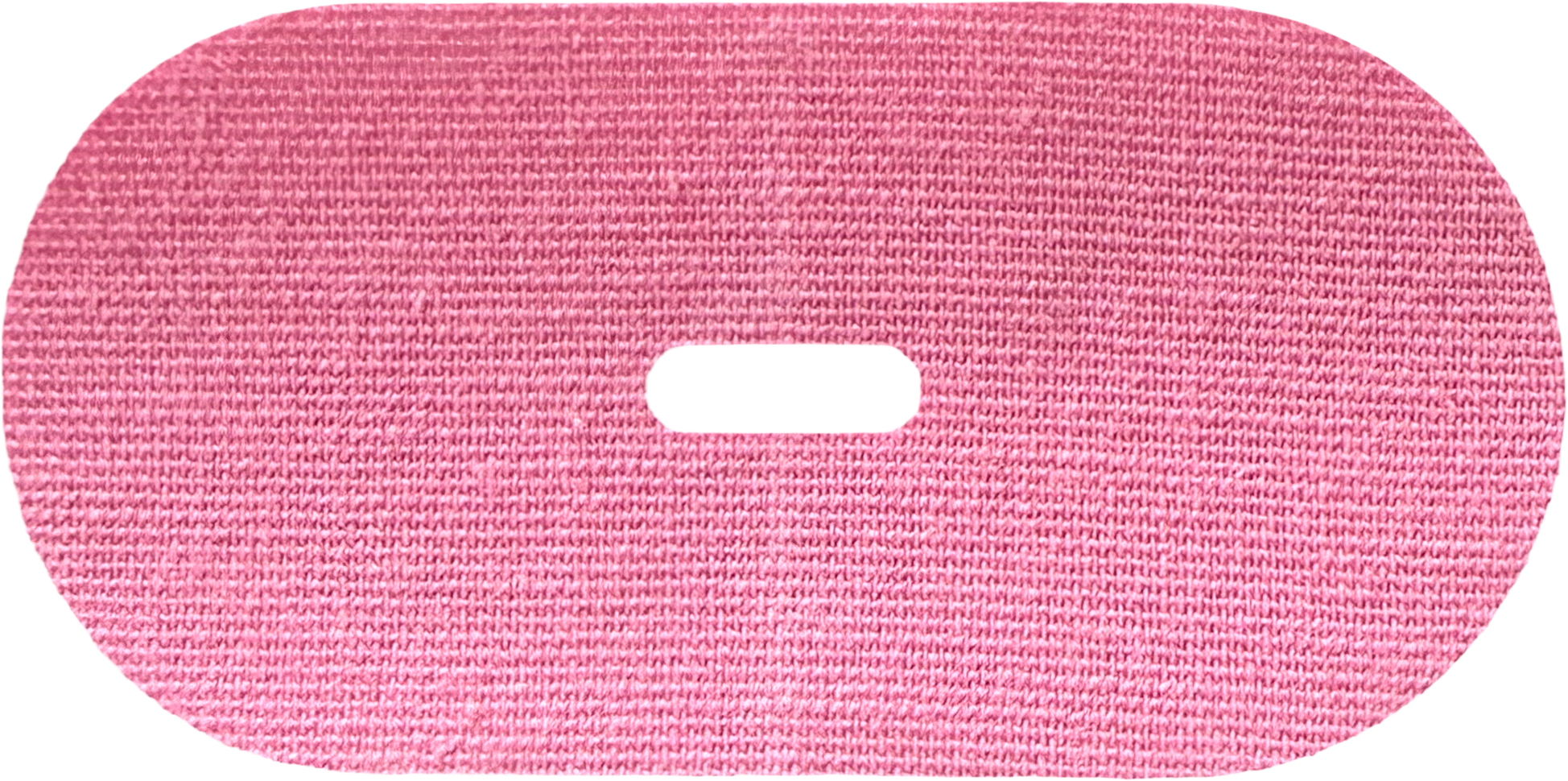
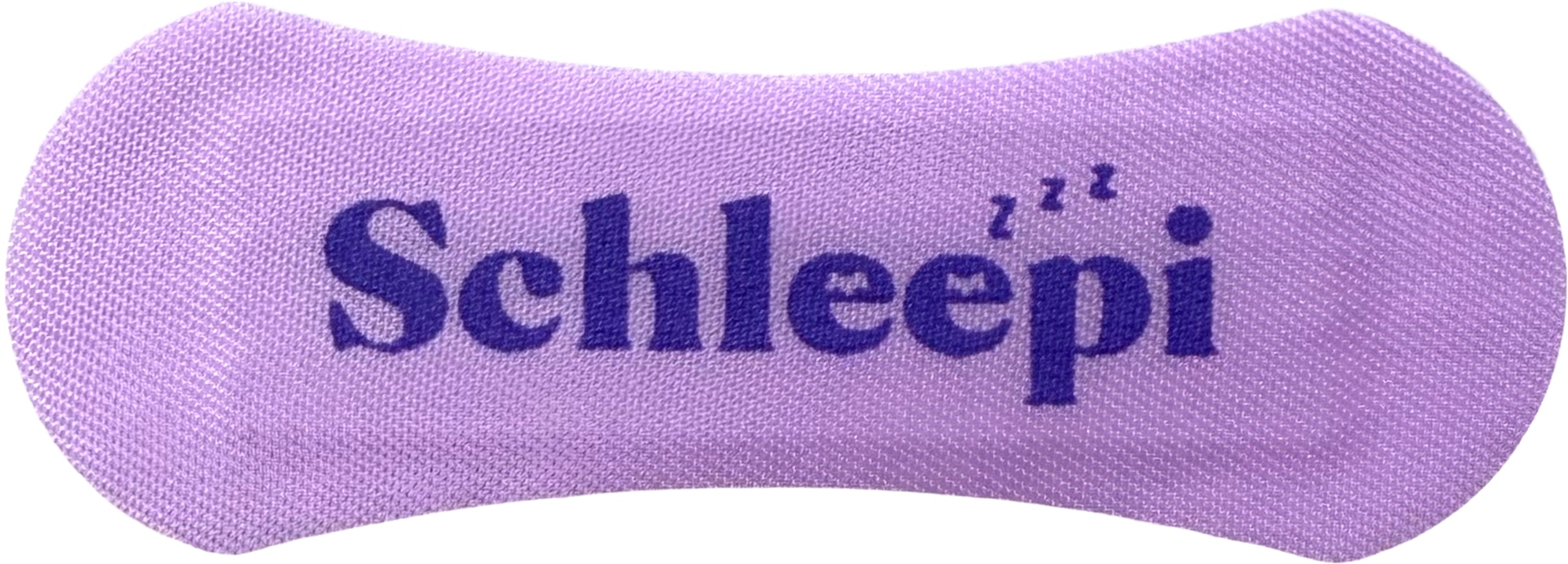
SchleepTape™ uses a hypoallergenic, Schleepi-exclusive adhesive that holds through the night without pulling at your skin when you remove it. That detail matters because a tape that lifts off at 2am stops working at 2am. If you want the best mouth tape for sleeping, you need a tape that won't budge in the morning.
What Changes When You Redirect Breathing Through Your Nose
Nasal breathing improves oxygen uptake in your lungs. It keeps your airway humid, reducing the tissue vibration that causes snoring. It helps you maintain a slower, more regular respiratory rhythm (the kind your body uses to stay in deeper sleep stages longer).
When mouth breathing interrupts that rhythm, your body shifts toward lighter sleep to compensate. More light sleep means more night waking, less time in restorative stages, and a cortisol pattern that trends higher than it should by the time your alarm goes off. You wake up already behind.