Why Breathing Matters So Much While You Sleep
Breathing plays a critical role in sleep quality because it directly affects how deeply your body can rest. Most people do not think about breathing until it becomes difficult. If you have ever tried to sleep with a blocked nose, you already know how disruptive it can be.
During sleep, the body naturally prefers nasal breathing (or it should anyway). Breathing through the nose helps filter allergens, warm the air, and deliver oxygen more efficiently. When nasal breathing is restricted, the body compensates by breathing through the mouth. This often leads to snoring, dry mouth, sore throats, and lighter, more fragmented sleep.
Many Australian sleepers assume poor sleep is caused by their mattress or pillow, but in many cases, breathing patterns play a far bigger role than expected.
What Do Nose Strips Actually Do While You Sleep?
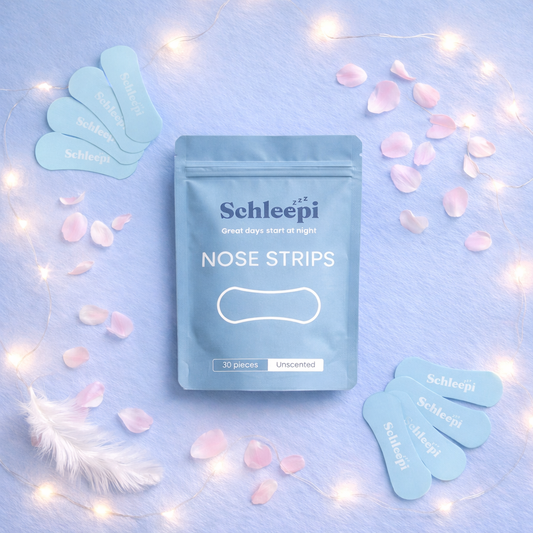
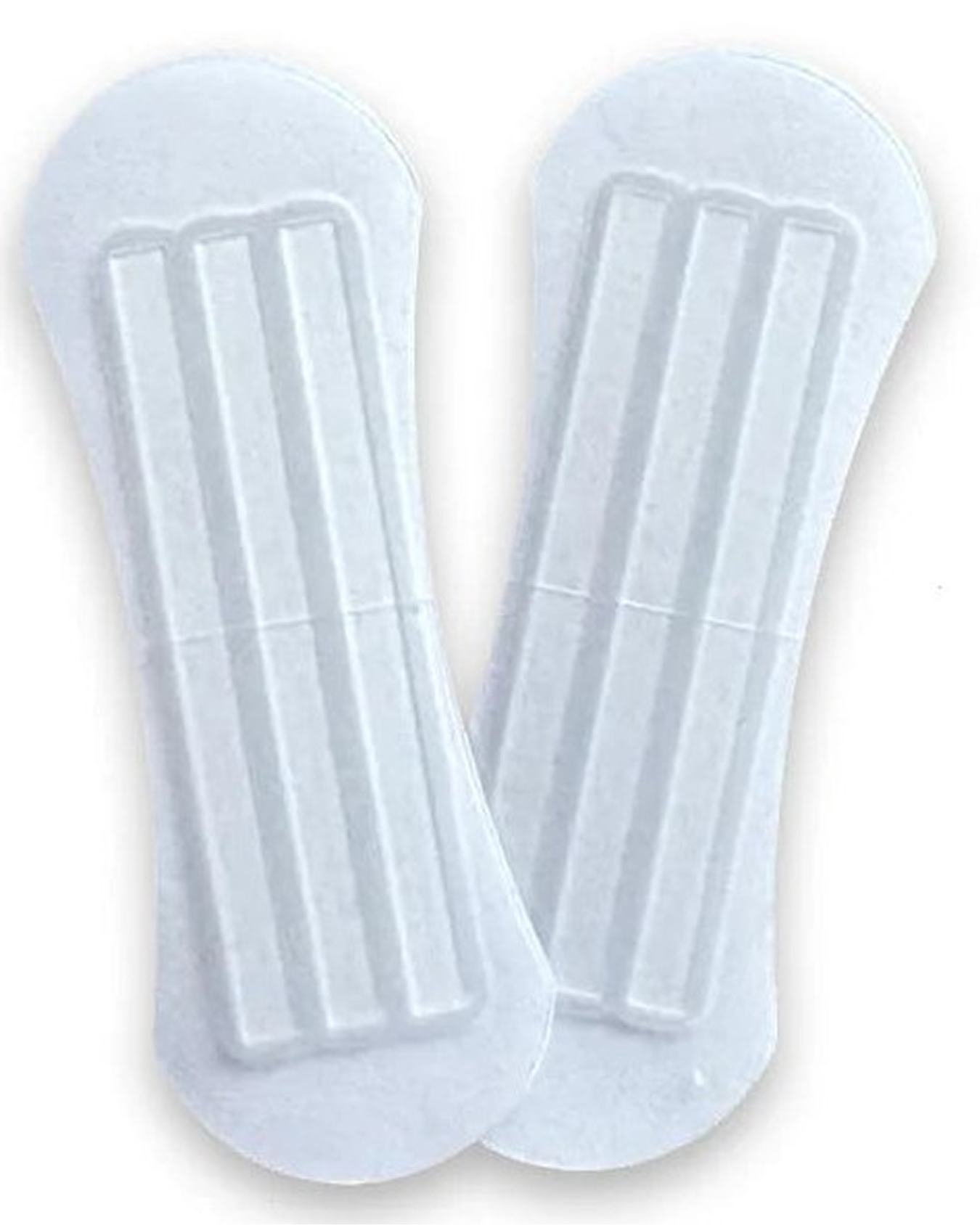
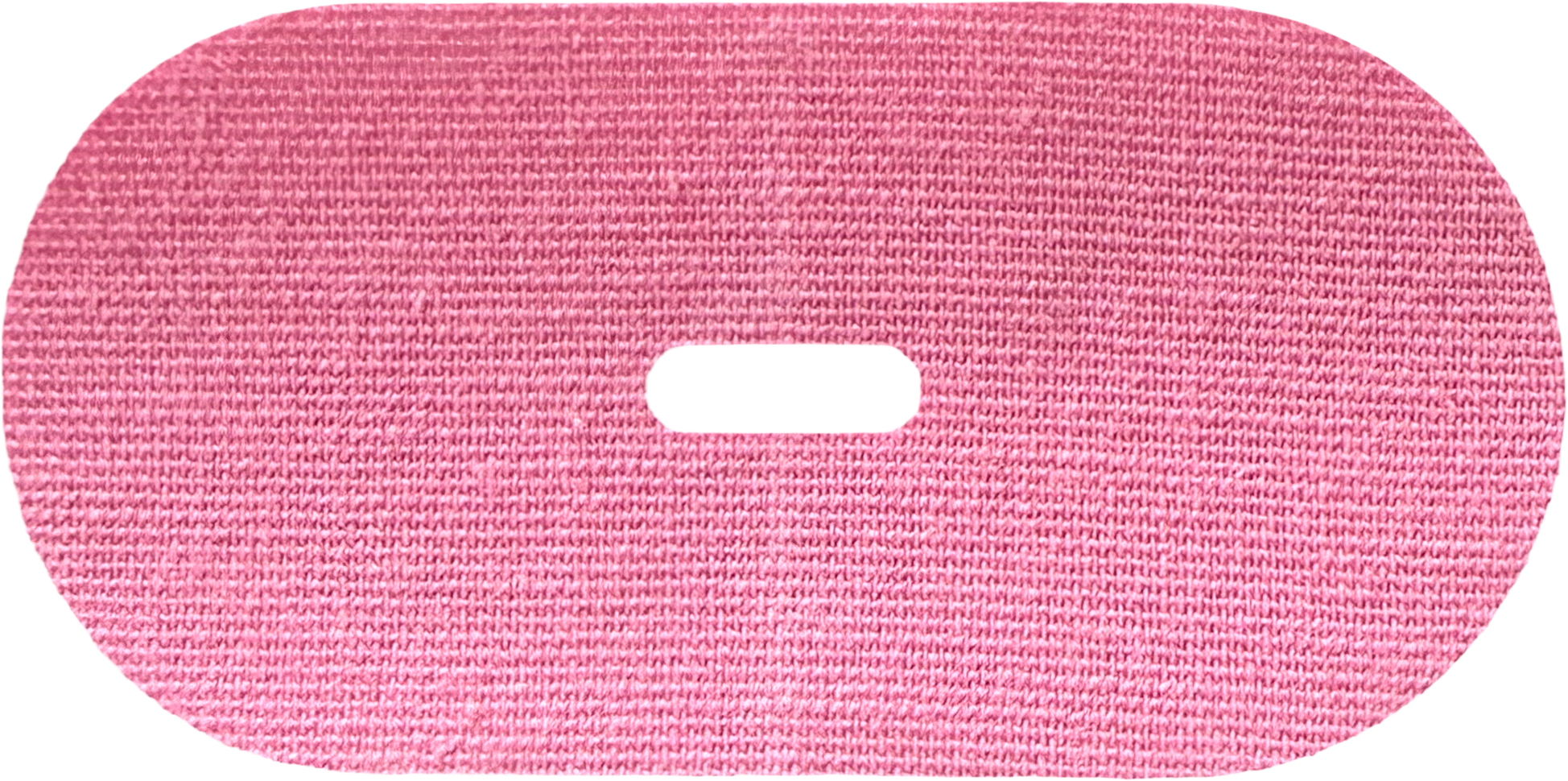
Nose strips are designed to support nasal breathing in a simple, non-invasive way. Applied externally across the nose before bed, they gently lift and open the nasal passages. This allows air to move more freely through the nose during sleep.
People in Australia who experience mild congestion, allergies, or nasal blockage when lying down often notice immediate relief. Nose strips do not cure breathing issues, but they help the nose perform its natural role more effectively throughout the night.
Why Would Someone Use Mouth Tape at Night?
Mouth taping often sounds unusual at first, but it addresses a very common problem: mouth breathing during sleep. Many people wake up with dry mouths, sore throats, or that lingering fatigue that never seems to go away.
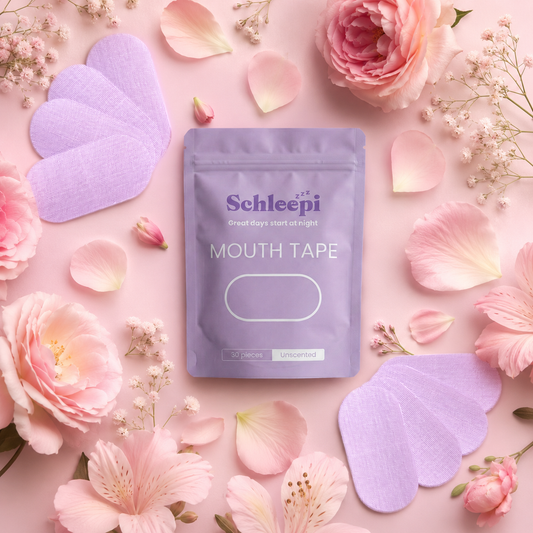
Mouth tape works by gently keeping the lips closed, encouraging breathing through the nose rather than the mouth. It does not restrict breathing. Instead, it supports a more natural breathing pattern that many people lose over time.
Australians who use mouth tape often report waking up feeling calmer, more refreshed, and less dehydrated in the morning.
Is One Enough, or Do I Actually Need Both?
The answer depends on what is happening while you sleep. If your main issue is nasal congestion that worsens when you lie down, nose strips alone may be enough. If your nose feels clear but you consistently breathe through your mouth, mouth tape on its own may help.
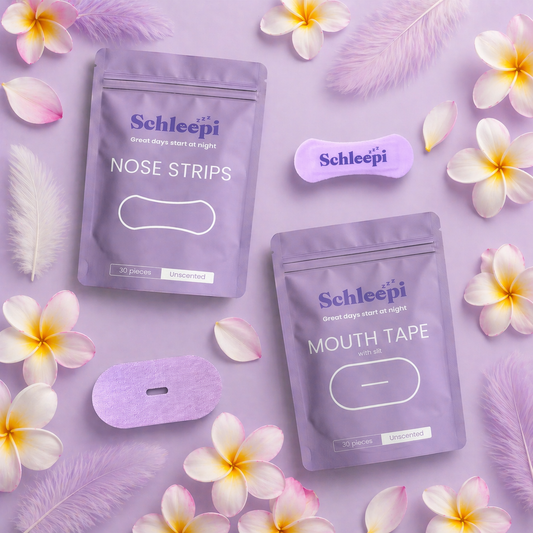
However, for many people, both issues occur together. The nose struggles to stay open, and the mouth takes over to compensate. This combination can lead to inconsistent breathing, snoring, and light sleep that feels unrefreshing.
This is where many Australians find themselves wondering whether using both solutions together could be more effective.